Preparing Your Child For College (Repost)

20170623_105218.jpg

Originally posted July 31, 2018. Updates have been made.

This post features links to great products, and as an Amazon Associate, I earn a commission if you click and buy.

We have made it to August. Many families are getting ready to take road trips with necessities, fears, hopes, excitement, anxiety, goals, and dreams to college campuses all over the world. Your child made it through high school and is now about to step foot on a college campus to pursue their careers and dreams as well as develop more independence. So, how do you prepare your child for his/her big day? Here are ten ways to prepare your child for his/her move in day at college:

  1. Have all of their financial aid for school worked out. This doesn’t just apply to four-year schools, but two-year schools also. But I always tell my students that the first stop you make when you are moving on campus is the financial aid office for a follow-up. You want to know everything is clear, what monies are coming in and going out, or how much money you have to pay out of pocket regarding your tuition and fees. Moreover, months prior before starting school, have a FAFSA professional or your child’s high school counselor help you review your child’s financial aid award letter to make sure you and your child understand it. If you and/or your child are pulling any loans, make sure you have completed the Loan Entrance Counseling (studentloans.gov) as well as understand loans and how they work. You don’t want any financial stress added to his/her first year of college, through college, and even after college.
  2. Make sure your child actually applied to the school and has gotten accepted. I know this is a no-brainer. However, you would be surprised how students say they are going somewhere only to not have applied or read through all of their college mail and follow through their next steps.
  3. Attend orientation. If orientation is scheduled prior to move-in, please try your best to take advantage of this and go with your child. This is not only a very crucial informational session but a chance to settle any matters prior to move-in. It may also be a chance to get a tour or final tour, get met with a warm welcome, and be greeted with a kick-off celebration just for incoming freshmen and their families.
  4. Have a heart-to-heart, transparent talk about some issues that can arise at school and how to use effective problem solving. Give scenarios and talk about any mistakes you have made in college or during your teen and young adult years. Discuss your expectations, their expectations, their fears, etc.
  5. Teach him/her to not be afraid to ask for help. Also teach him/her how to be resourceful if he/she isn’t. A lot of students do not know how to navigate the campus for help and resources. Students can go to their school’s wellness center for counseling, advisement and dean’s office for issues with classes, their Dorm’s R.A. (Resident Assistant) for roommate issues, the financial aid office to sign up for work study and to inquire about scholarships and financial aid.
  6. Pay the housing fee. And make sure he/she gets to know his/her roommate via phone and/or social media. The schools have things set in place for your child to safely contact and get an overall sense of who his/her roommate may be. Your child also may have the opportunity to suggest or pick his/her roommate if a student he/she knows will be attending the same school and wants to roommate with that particular person.
  7. Make a list of items needed to move in for the first year of school. Have important documents pertaining to your child’s school in a special folder and handy. Obtain proper ID and parking passes if applied. Get and request gift cards if you prefer to buy necessities at a Walmart near or in the town of your child’s school campus when your child moves in and to have on hand when settled. Sometimes, this is less of a hassle than having to rent a truck or load lots of luggage in the back. See at the end of this post also for some great products. See this site for an example of a college packing list. https://www.society19.com/10-things-to-do-before-college-move-in-day/
  8. According to society19.com, you should also review school policy and guidelines with your child.
  9. Make a list of things you need to do before you all leave. And spend quality time with each other. Your child would want to spend time with friends too so make room for that.
  10. Pray with and over your child. Cover them with the blood of Jesus. Your child will be miles away from home but God is omnipresent and omniscient. He can be with you and your child at the same time. Trust in Him to never leave nor forsake your child.

Lastly, congratulations to all the 2024 GRADUATES (high school, college, kindergarten, apprenticeship programs)!!!!!!! Celebrate your accomplishments and thank God for giving you the grace to press through. I am so proud of you all. May God guide you, protect you, and may you trust and abide in the One who created us with love and purpose.

A Planner

https://amzn.to/4d7hoMM

Water Bottle

https://amzn.to/3SzPAbs

Mini Fridge

https://amzn.to/3yrCMx2

Shower Caddy

https://amzn.to/3WP32L9

Lamp

https://amzn.to/3YDtokq

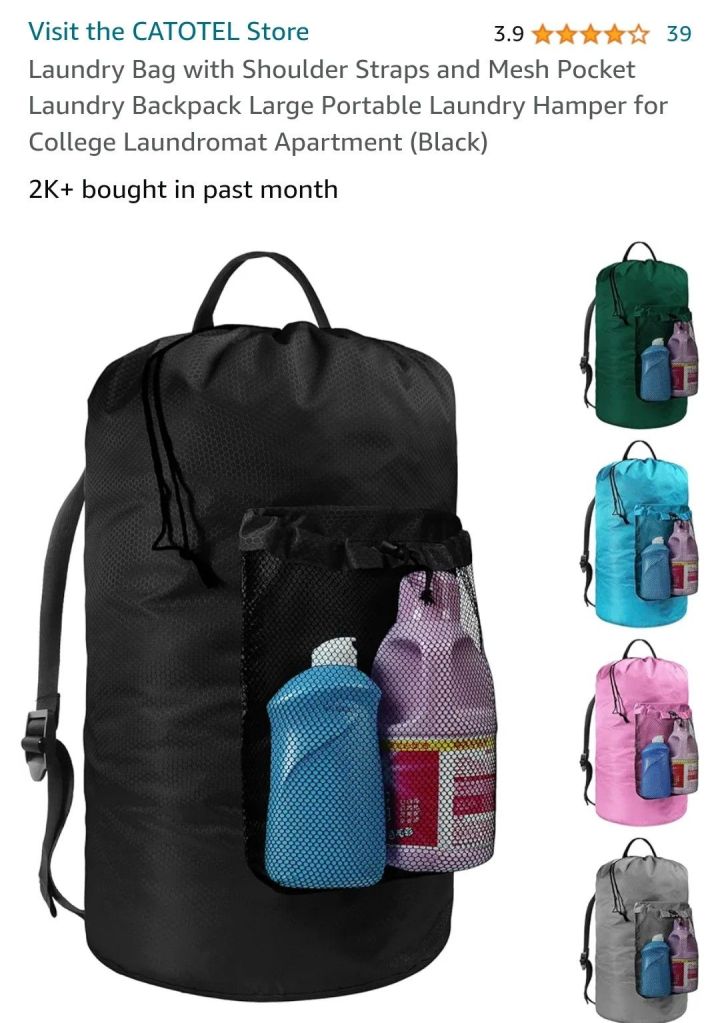
Laundry Bag

https://amzn.to/3LSfnI5

Disposable Face Cloths

https://amzn.to/3yqyPIW


I am not new to sharing on my platforms great products I have come across and use in my everyday life, but now I get to share them and earn a commision. I value your trust above everything else, and I want to be upfront with my new endeavor. I’m in the Amazon Associates program, and some of the links in this post are affiliate links, which means I may earn a small commission if you click and buy. But I promise I only recommend products I truly believe in and think will add value to your life.

Writing Tips: Five Ways To Create A Great Resume

I have edited resumes for my students, friends, and family members, and one thing I note is that every resume is different from the format to the content. No two resumes are the same and neither should they be. So, how can you make your resume stand out, be professional, and get a read through instead of a toss aside?
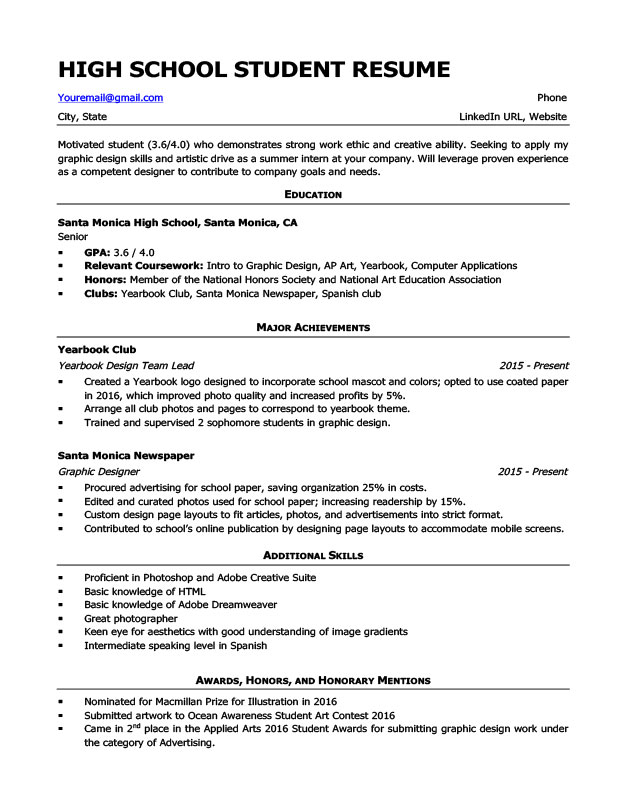
Here are 5 ways to make a great resume:

  • Be Honest. If you have never worked on the moon, please don’t list it. List your actual work experiences, education, activities, and skill, even if they seem insignificant. And try to list skills, experience, and training/education that is relevant to the career position or job you are applying for.
  • Be professional. Make sure your resume is not riddled with emojis, text-talk, and poor grammar. Make sure your email is professional: 🚫twerkforfun@gmail.com ✔lastnamefirstname1@gmail.com. Make sure your address is up to date also. And make sure you have a consistent format and font. The typical font used for resumes is Times New Roman.
  • Make it stand out. Make sure your name is front and center. Make it bold or larger than the rest of the content. Make sure your contact info is right up there with your name. Make sure you print on white paper, or a special type of paper as long as it is white, or play around with your format. Just don’t overdo it and please keep it professional. If you are an artist or model, perhaps you can get away with adding a headshot photo of yourself.
  • Maintain great content. Use action verbs to start off with explaining your tasks or duties from your work experiences. Make your objective specific as you communicate your career goals. Don’t list your skills in a generic way. Be specific. For example: 🚫Typing. ✔Type 100 words per minute 🚫 Math. ✔Proficient in Advanced Algebra and Trigonometry. You may think your work experience isn’t diverse, in depth or great. Don’t fret. It is not what you say it, it is how you say it. If you babysit or are a stay at home mom now entering the work force, you provide child care. Find out what strengths you are developing as a result and what things you are learning. Value those things. On your resume, list some of the things you did in providing child care. If you developed or have special skills, list them also on your resume. If you have learned how to apply theatrical makeup even if you learned from watching countless YouTube videos, list it. I had a high school student who didn’t realize that he helping his uncle remodel someone’s kitchen was a skill he was developing and something to put on his resume.
  • Lastly, edit your resume. Check for mistakes. Everyone makes them, including me. So, go back over it and more than once. And have someone proofread it and edit it. Get feedback. Another person’s eyes can catch what you missed and give you the constructive criticism you need.
  • Bonus Tip: Make sure you update your resume every year. You might have recently changed your address or job, learned a new skill, renewed your license or certificate, etc. and you want your resume to reflect such and be current.

Need professional, affordable, and quality proofreading and editing? I am here to help.

For inquiries, please visit my editing page and fill out this form.


Tannika Moore is a writer, a poet, an editor, and an educator. She is a firm believer that there are two things people can’t take from you, and that is your education and faith, which are major focuses in her career and life. She has a Bachelor’s of Arts in English: Professional & Technical Writing. Her favorite genre of writing is poetry and she has self-published two poetry books titled Setting The Captive Free and Wearing Someone Else’s Shoes Ain’t Never Been Me. Tannika has edited various works from research papers to web content.

Preparing Your Child For College

20170623_105218.jpg

As we approach August, many families are getting ready to take road trips with necessities, fears, hopes, excitement, anxiety, goals and dreams to many college campuses. Your child survived and accomplished high school and is now about to step foot on a college campus as well as develop more independence. So, how do you prepare your child for his/her big day? Here are ten ways to prepare your child for his/her move in day at college:

  1. Have all of their financial aid for school worked out. I always tell my students the first stop you make when you get on campus is the financial aid office (well if it is open). You want to know if everything is clear, what monies are coming in and going out or how much money you have to pay out of pocket regarding your tuition and fees. Have someone, if you have not, go over your child’s financial aid award letter to make sure you and your child understand it. If you and/or your child are pulling any loans, make sure you have completed the Loan Entrance Counseling (studentloans.gov) as well as understand loans and how they work. You don’t want any financial stress added to his/her first year of college.
  2. Make sure your child actually applied to the school and has gotten accepted. I know this is a no-brainer; however, you be surprised how students say they are going somewhere only to not have applied or read through all of their college mail.
  3. Attend orientation. If orientation is scheduled prior to move-in, please try your best to take advantage of this and go with your child. This is not only a very crucial informational session but a chance to settle any matters prior to move-in. It is also may be a chance to get a tour, get met with a warm welcome and greeted with kick off celebrations just for incoming freshmen and their families.
  4. Have a heart-to-heart, transparent talk about some issues that can arise at school and how to use effective problem solving. Give scenarios and talk about any mistakes you have made in college or during your teen and young adult years. Discuss your expectations, their expectations, their fears, etc.
  5. Teach him/her to not be afraid to ask for help. Also teach him/her how to be resourceful if he/she isn’t. A lot of students do not know how to navigate the campus for help and resources. Students can go to their school’s wellness center for counseling, advisement and dean’s office for issues with classes, their Dorm’s R.A. (Resident Assistant) for roommate issues, the financial aid office to sign up for work study and to inquire about scholarships and financial aid.
  6. Pay the housing fee. And make sure he/she get to know his/her roommate via phone and/or social media. The schools have things set in place for your child to contact and get an overall sense of who his/her roommate may be. Your child also may have the opportunity to suggest or pick his/her roommate if a student he/she knows will be attending the same school and wants to roommate with that particular person.
  7. Make a list of items needed to move in, for the first year of school. Have important documents pertaining to your child’s school in a special folder and handy. Obtain proper ID and parking passes if apply. Get and request gift cards if you prefer to buy necessities at a Walmart near or in the town of your child’s school campus when your child moves in and to have on hand when settled. Some times this is a less of a hassle than having to rent a truck or load lots of luggage in the back.
  8. According to society19.com, you should also review school policy and guidelines with your child. See this site for an example of a college packing list. https://www.society19.com/10-things-to-do-before-college-move-in-day/
  9. Make a list of things you need to do before you all leave. And spend quality time with each other. Your child would want to spend time with friends too so make room for that.
  10. Pray with and over your child. Cover them with the blood of Jesus. Your child will be miles away from home but God is omnipresent and omniscient. He can be with you and your child at the same time. Trust in Him to never leave nor forsake your child.

Lastly, congratulations to all the 2018 GRADUATES (high school, college, kindergarten, apprenticeship programs)!!!!!!! Celebrate your accomplishments and thank God for giving you the grace to press through. I am so proud of you all. May God guide you, protect you, and may you trust and abide in the One who created us with love and purpose.