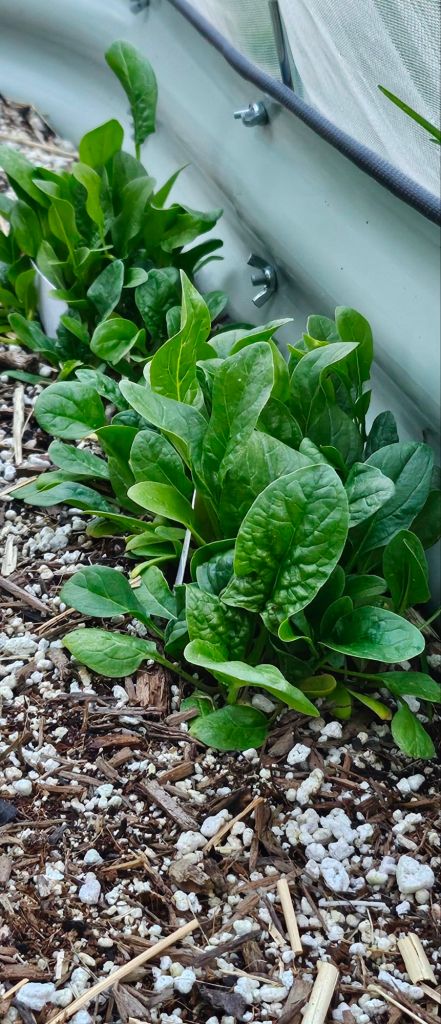
Late last year, on the edge of fall, I started my gardening journey. I was a bit behind in getting started but was able to put together my first garden before winter hit. With much research, prayer, and a bit of Q&A with ChatGPT, I began my backyard agricultural journey. I started with crops that could endure the slightly warm and breezy fall temperatures, transition to cooler weather, and make it through the winter.
Before my adventure began, I started preparing not just through research and prayer, but by gradually purchasing the materials I would need. Potting mix, compost, a solar animal repellent device, seeds, and gardening tools were just some of the things I had to gather.
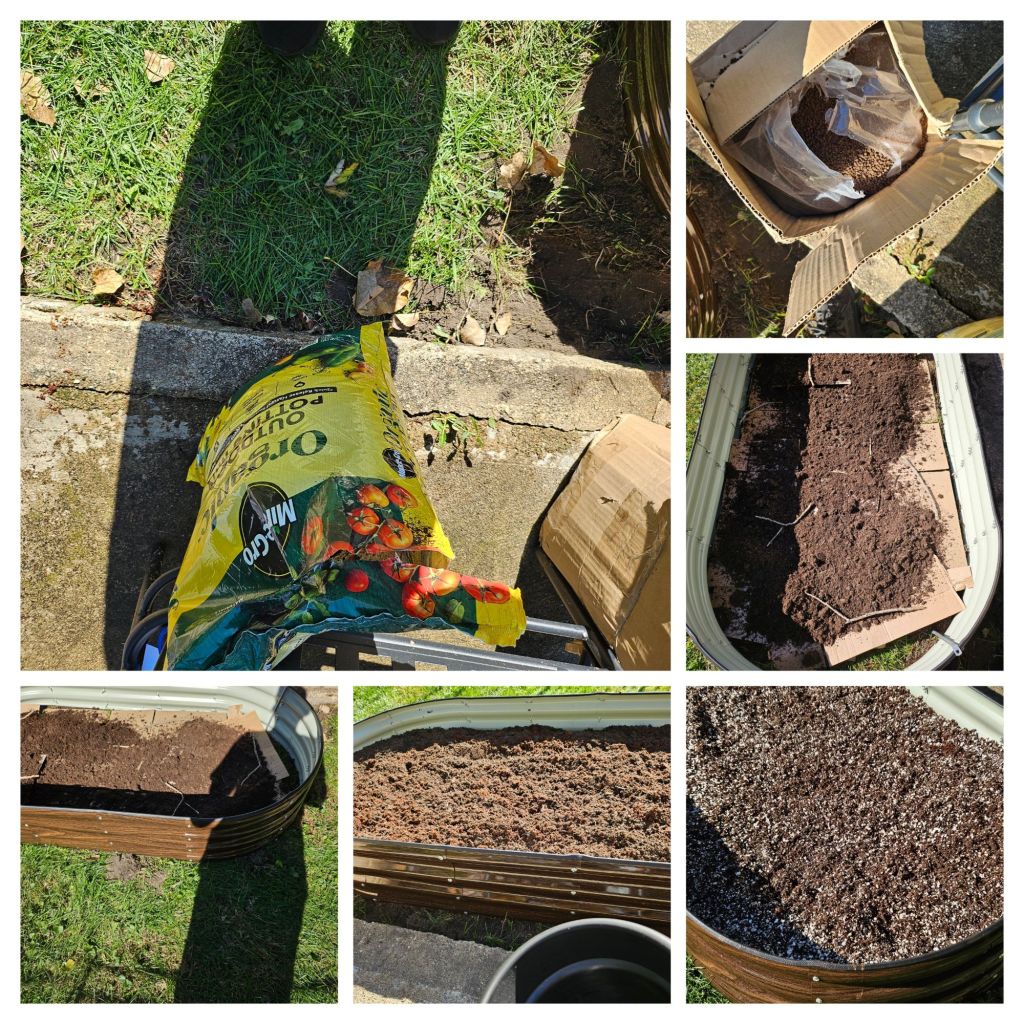
With the help of my teen, we assembled raised garden beds, added cardboard, sticks, soil, a little coffee grounds, and perlite to help maintain proper moisture within the beds.
I sowed seeds of spinach, lettuce, thyme, chives, and garlic in my bed I called Grace. They could thrive as companions. In my bed called Steward, I planted arugula, kale, mustard greens, cilantro, and carrots as companions.
Companion planting is the practice of planting various crops and herbs together that can grow near one another and benefit both each other and the garden bed in which they are planted.
I continued praying, researching, and questioning ChatGPT about how to maintain my new garden beds once they were ready and the seeds were sown. Eventually, I found a watering rhythm and learned a measure of patience. But more work is still needed in the patience department.
When the first sprouts of my vegetable and herb garden appeared, I was ecstatic. I do not have a green thumb, so seeing the fruits of my labor and the answers to my prayers brought me great joy. My spinach sprouted but looked like grass to me at first, lol. Later, it matured into what spinach is actually supposed to look like.
Now, as for my hiccups.
I noticed a slight tunnel in one of my garden beds—not a major one, but something had disturbed the soil. After inspecting it further and repositioning the dirt, I knew I needed additional protection for the beds and baby seedlings. I purchased garden nets as well as hoops for the nets to rest upon so they would not smash the produce.
When the cold of winter arrived, everything was still doing well. My baby seedlings could handle the cold for a while. But I live in Illinois, so when temperatures dropped below 35 degrees and then became even colder, they needed frost covers, straw, and sometimes additional coverings like old curtains we had saved.
Winter taught me patience in the unknown, as well as trusting God to steward what I could not while I waited. I worried at times. But some of the sprouts and seedlings were dormant, quiet as they too waited, just more patiently than I.
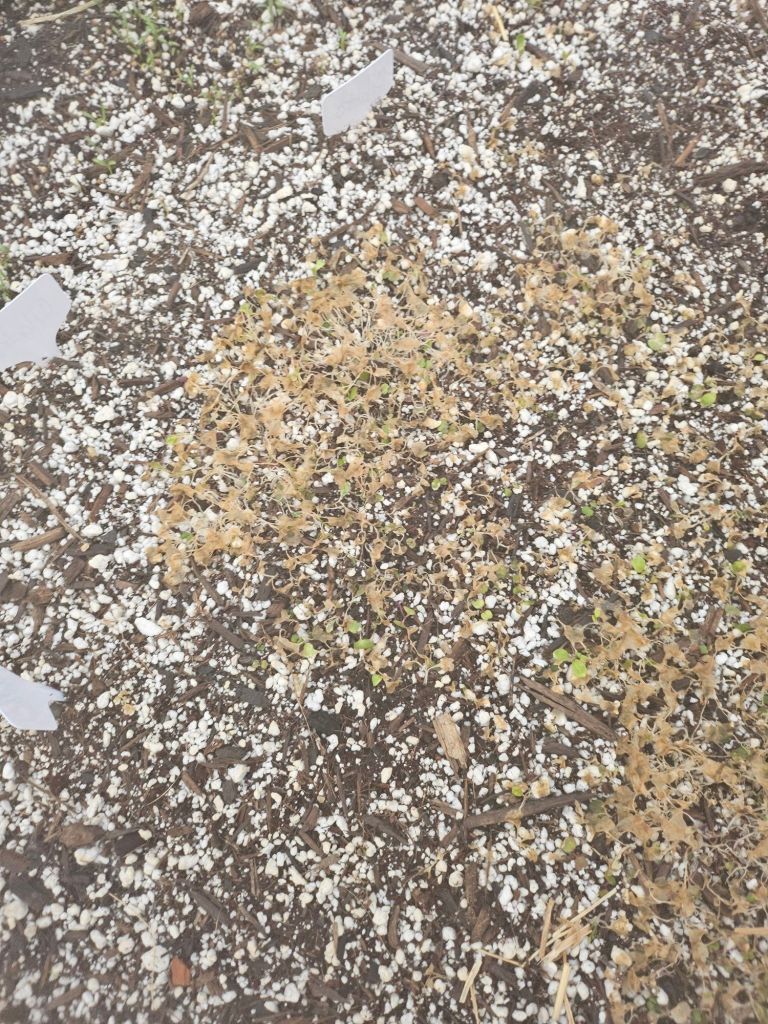
And although I protected them with frost nets and, when needed, additional coverings, not all of them escaped our bitter Illinois winter. Some of my seedlings got frostbitten, mainly my arugula and mustard greens. Baby, my seedlings said, “We can handle the cold, but it’s too cold.”
Winter had gotten hold of those arugula and mustard green seedlings and turned them every which way but loose. Those poor babies turned brown and laid flat. They were worn out. I was sad to see what had once been vibrant and beautifully green become brown and weary.
But God.
As winter began to fade away, I saw new green growth appearing beneath those brown, weary seedlings. What I thought was completely gone was showing proof that life still remained and my crops had survived.
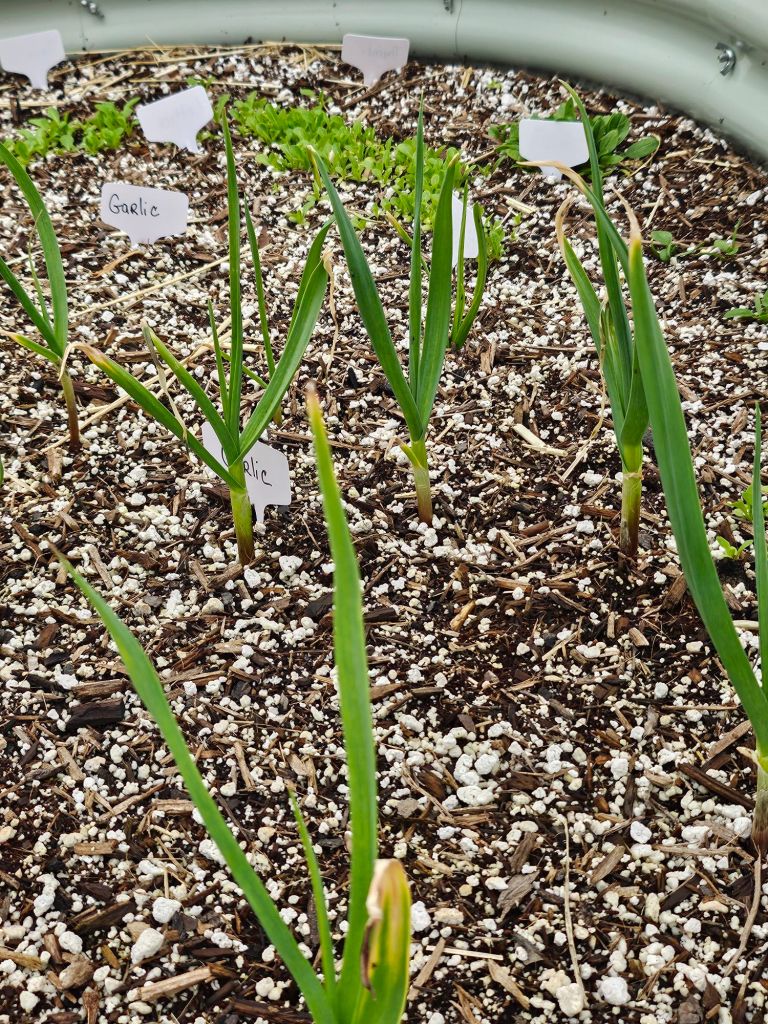
As winter departed and warmer temperatures arrived, my garden beds not only survived, they thrived. The garlic continued doing well, and the stalks grew tall, reaching the tops of the hoops and nets. Although the spinach seemed to enjoy the cooler temperatures more, it held on for a little while longer. The lettuce did well also. The herbs seemed slower to sprout, except for the cilantro.
Just as the weather warmed, I was able to harvest the spinach and even gave some to my neighbor, who immediately used it in a salad. My family and I used the harvested lettuce and spinach in salads and on sandwiches and burgers. It felt good to be able to eat and share what I had grown. As temperatures continued to rise, I noticed flowers beginning to appear and learned that spinach can bolt in the heat. I then hurried and harvested the remaining spinach before more of it bolted.
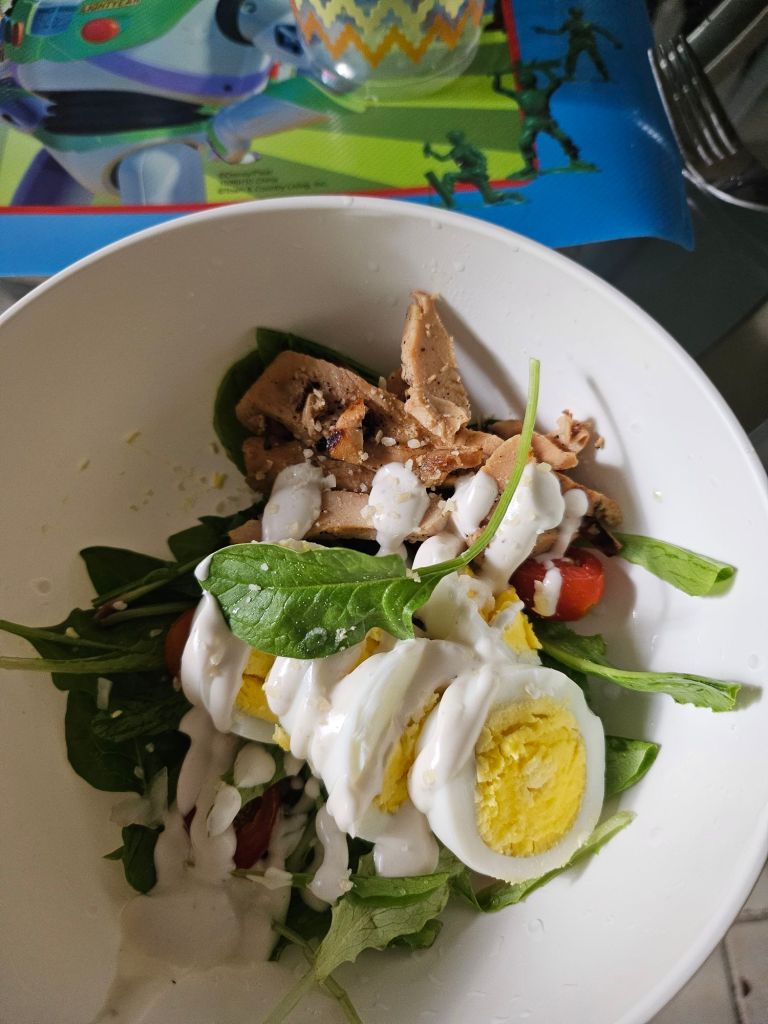
I have continued harvesting lettuce and now cilantro as well. I was also able to harvest some of the mustard greens (they were so good with some ham hocks), but I didn’t harvest all of them in time before they bolted in the heat.
Another lesson I learned was the importance of spacing seeds strategically so they receive proper sunlight, have room to grow, and can reach their full size.
I am still waiting on the other herbs and carrots, but I see the thyme coming through and a little of the chives. The arugula, however, never grew back.
As for my spring garden endeavors, I decided to use grow bags for my next crops. Right now, I am growing red peppers in their own grow bag, radishes (at my mom’s request) in another, and strawberries in their own bag as well. Later, I plan to add a few more crops and grow bags.
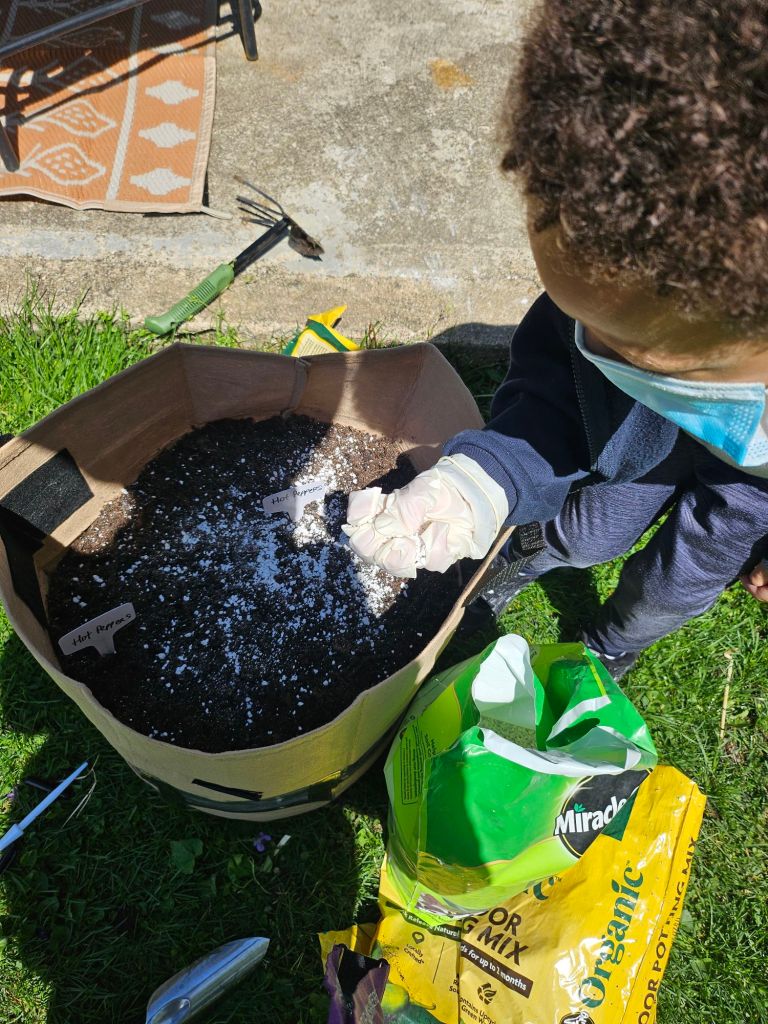
Now that we are approaching summer, I am learning a new watering rhythm. I have also had to pluck weeds out of my beds. I couldn’t believe that they had taken up residence in them. Furthermore, I had to deal with ants trying to establish a few colonies, mainly in the Grace bed, along with a few aphids there and in the hot pepper bag. Thankfully, it has not been severe—just a few leaves with holes. I believe I identified and addressed the problem, and I am looking forward to a healthier harvest.
In the meantime, God is still teaching me to trust Him and be patient. I cannot see what is happening beneath the soil when it comes to some of the crops. If I dig underneath or pull them up too soon, I disturb the soil and may hinder what is still developing. And shamefully, I have done that.
So I’ve got to let God cook.
Let Him do what He needs to do while He teaches me how to water, feed, and tend the soil. Let Him teach me to speak life even over my garden beds, be patient, persevere, and keep the faith.
Because gardening has become about more than growing vegetables. It has also become a lesson in trusting the One who causes growth.
"Let us not become weary in doing good, for at the proper time we will reap a harvest if we do not give up." — Galatians 6:9
Accompanying Video:

